







Search Results for: coffee substitutes
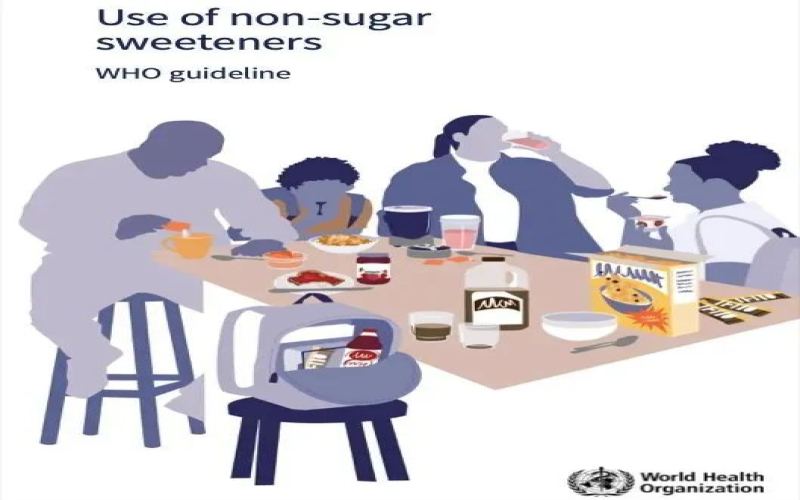
Latest WHO Guideline: Non-Sugar Sweeteners Are Not a Healthy Choice—Long-Term Intake May Increase Obesity and Diabetes Risk
In recent years, zero-calorie sugar substitute products have been marketed with a health halo, becoming highly sought after by consumers who want sweetness without the calories. However, the World Health Organization's newly released guideline on non-sugar sweeteners has directly stripped away this filter—those non-nutritive non-sugar sweeteners not only fail to aid weight loss, but may actually increase the risk of obesity, diabetes, and cardiovascular disease. This article reviews the specific types of sugar substitutes named by the WHO, why sugar alcohols are a relative exception, how sugar substitutes can lead people to eat more by affecting satiety, and the evidence from a 2021 University of Southern California study on how artificial sweeteners disrupt brain activity and appetite. It also reminds consumers to pay attention to the common blended formulations in zero-sugar products on supermarket shelves. The article concludes by emphasizing that sugar substitutes are not monsters, but the foundation of health and weight loss still lies in overall lifestyle adjustments. [more…]

Can a toothpick replace a coffee distribution needle? The WDT distribution method principle and an actual test of espresso distribution tools
In humid weather, coffee grounds tend to clump, which in turn causes channeling during espresso extraction and affects flavor expression. The WDT (Weiss Distribution Technique) breaks up clumps by stirring with fine needles, making it an effective means of solving this problem. But not every enthusiast keeps distribution needles on hand, so whether everyday items like toothpicks can serve as substitutes has become a common question. Starting from Front Street's actual extraction experiments, this article compares distribution needles and toothpicks in terms of breaking-up effectiveness, grounds bed distribution, and extraction stability, analyzes why toothpicks are unsuitable as substitutes, and offers purchasing advice for distribution needles, helping you achieve more stable espresso in rainy or dry seasons. [more…]
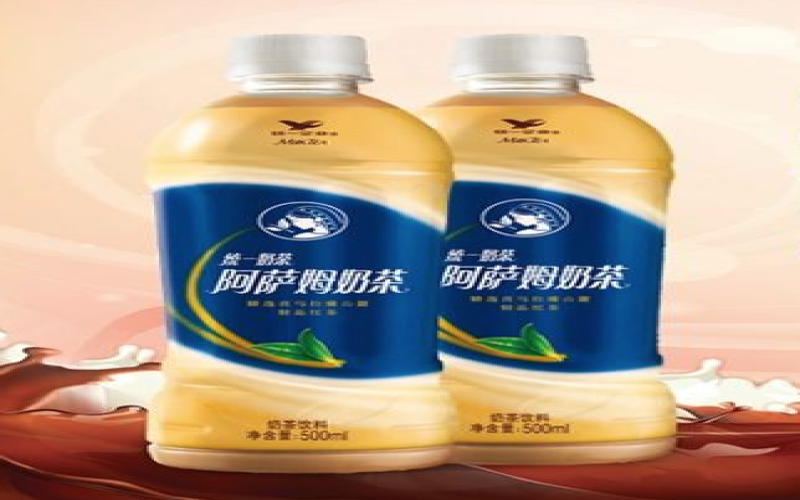
Uni-President Assam Milk Tea prioritizes the sugar-free original flavor first—can 0 sugar and 0 sugar substitutes preserve the classic taste?
The bottled milk tea market is undergoing a health-oriented transformation. Uni-President Assam Milk Tea has launched its first sugar-free original flavor version, highlighting "true 0 sugar," meaning it contains no sucrose, sugar substitutes, or carbohydrates, and in particular explicitly avoids acesulfame potassium, sucralose, erythritol, and aspartame. The new product has the same 500ml capacity as the classic version and retails for about 3.6 yuan. Although its ingredients still include food additives, white granulated sugar and glucose syrup have been removed. Energy per 100 milliliters has dropped from 230 kilojoules in the classic version to 58 kilojoules, a significant reduction in sugar. In recent years, ready-to-drink tea and sparkling water have diverted some bottled milk tea consumption, while freshly made new-style tea drinks have also taken away younger customers. Uni-President's move is both a response to the sugar-reduction trend and a proactive innovation in the face of market competition. However, the technical difficulty of 0-sugar milk tea lies in balancing taste. Whether it can retain Assam's classic flavor after removing sugar will test the brand's research and development strength. [more…]
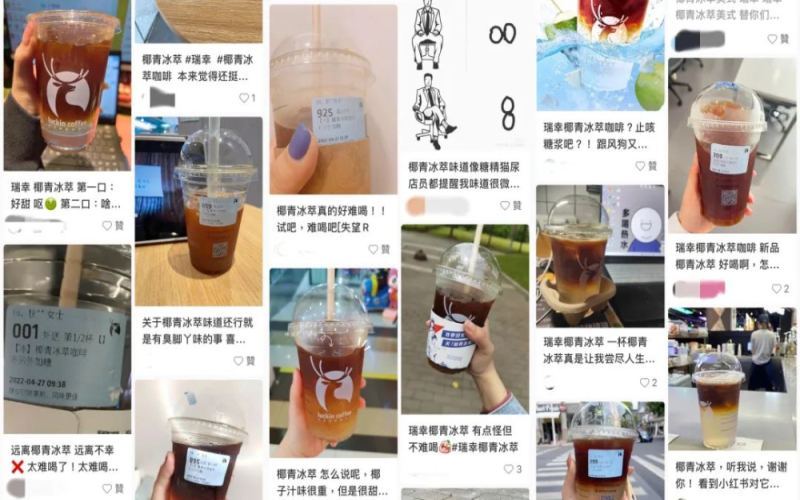
Luckin's zero-sugar hit returns, stirring up waves again: Formula overhaul brings big taste changes, amid sugar substitute controversy and health concerns
Luckin Coffee recently relaunched last year's hit Coconut Cold Brew, and has announced that in May it will bring back popular products such as Orange Golden Sparkling Americano in phases. However, the reformulated zero-sugar version has sparked polarized reviews among consumers—some complain it's like "waiting for a cheating scumbag to change," with a taste vastly different from what they remember, while others question the medicinal taste brought by artificial sweeteners. From packaging updates to health controversies, this round of comebacks reflects the brand's difficult balancing act between the sugar-reduction trend and faithful flavor reproduction. This article sorts through the details of the product iterations and genuine feedback from netizens, and cites a University of Southern California study on how artificial sweeteners affect appetite, to explore whether zero-sugar drinks are truly healthier. [more…]

What exactly is beanless coffee? How can coffee flavor be created without a single coffee bean?
Coffee bean prices have been climbing steadily, and some coffee shops in South Korea have seized the moment to launch "beanless coffee," sparking plenty of discussion. So-called beanless coffee uses other ingredients to replace coffee beans, producing a drink with coffee-like flavor. Without coffee beans, why can it still taste like coffee? In fact, this is nothing new—beanless coffee made frequent appearances as early as several hundred years ago. From the perspective of Front Street, this article reviews the historical origins of chicory root as a coffee bean substitute, explains the common types of grain-based substitutes, and, from the angle of roasting chemistry, clarifies the true source of "coffee flavor," giving you a comprehensive understanding of the essential differences between beanless coffee and regular coffee. [more…]
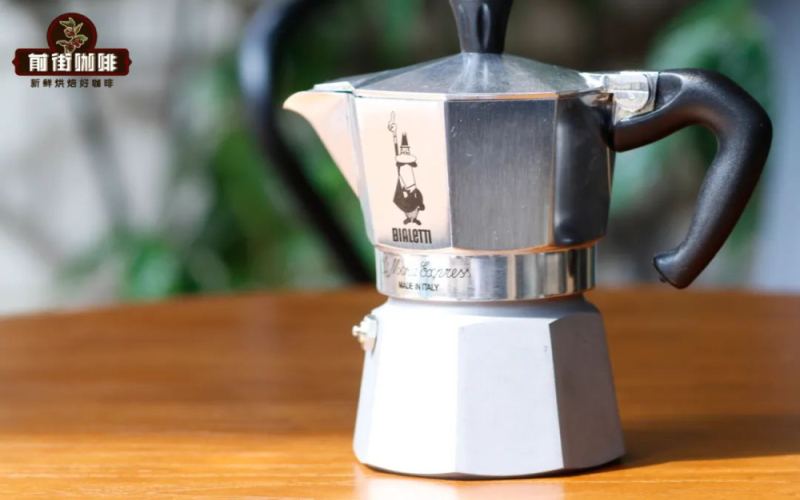
Can a Moka Pot Make Espresso? Can It Be a Home Espresso Machine Substitute?
The Moka pot, which first appeared in 1933, has long been regarded as an entry-level device for making espresso at home thanks to its easy operation and affordable price. But can the coffee it brews really be equated with the espresso produced by a professional espresso machine? This article will analyze the two from the dimensions of working principle, extraction pressure, and coffee-to-water ratio to clarify the essential differences between them, while also providing the correct steps for using a Moka pot and buying advice for suitable coffee beans. [more…]
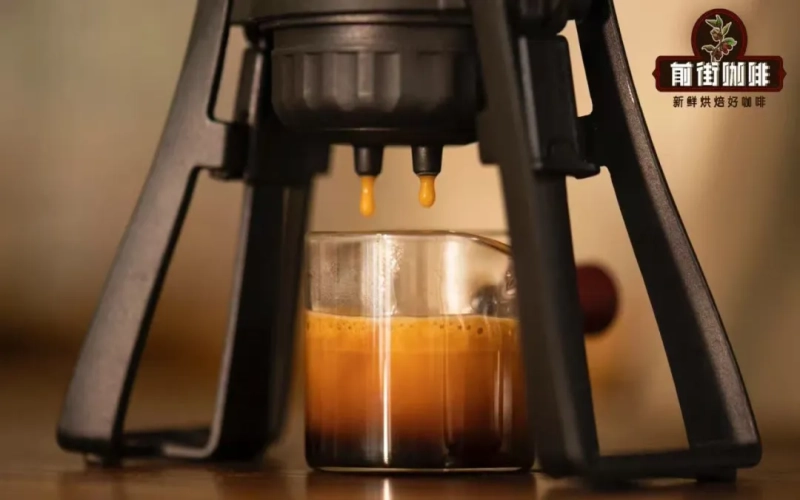
Hand-pressed vs. semi-automatic espresso machine extraction differences tested: Star Grain 3 compared with Lelit V3—can a budget hand-pressed machine be a substitute?
The price gap between manual espresso makers and semi-automatic espresso machines often reaches 10 to 20 times, but is the espresso they extract really worlds apart? This time, Front Street uses actual data to answer this question. We took a Star Grain 3 manual espresso maker purchased in 2022 and now discontinued, and compared it with the Lelit V3 semi-automatic espresso machine used in the shop for espresso output. We extracted three shots from each, measured the concentration and extraction yield, averaged the results, and then judged the differences in flavor and mouthfeel through tasting. The beans used were still the Warm Sun blend used for shop output, with a dose of 19.5g, a Galileo Q18 grind setting of 1.0, and a target liquid weight of 38ml. What will the results be? Can a hundred-yuan-level manual press serve as a daily substitute? The article will also share usage details for key parameters during manual extraction, such as water temperature, grind size, pressure, and water volume, to help everyone avoid common pitfalls like insufficient concentration and rough crema. [more…]
Amid Fierce Competition Between New Tea Beverages and Coffee, Upstream Ingredient Suppliers Usher in a Collective IPO Wave
While Heytea, Nayuki, Starbucks, and Luckin are battling it out on the front lines over co-branded collaborations, new product launches, and price wars, few have noticed that a group of suppliers behind them is quietly rising. From Jiahe Foods to Sanyuan Biology, from Tianye Shares to Hengxin Life and Dexin Foods, an increasing number of raw material and packaging companies behind new-style beverages are beginning to sprint toward the capital market. Some of these companies provide non-dairy creamers and sugar substitutes, some supply fruit juice concentrates and flavored syrups, and others specialize in producing paper cups and plastic cups. While terminal brands fight in a red ocean, upstream suppliers have seized the momentum to grow bigger, raked in huge profits, and collectively embarked on the path to listing. [more…]
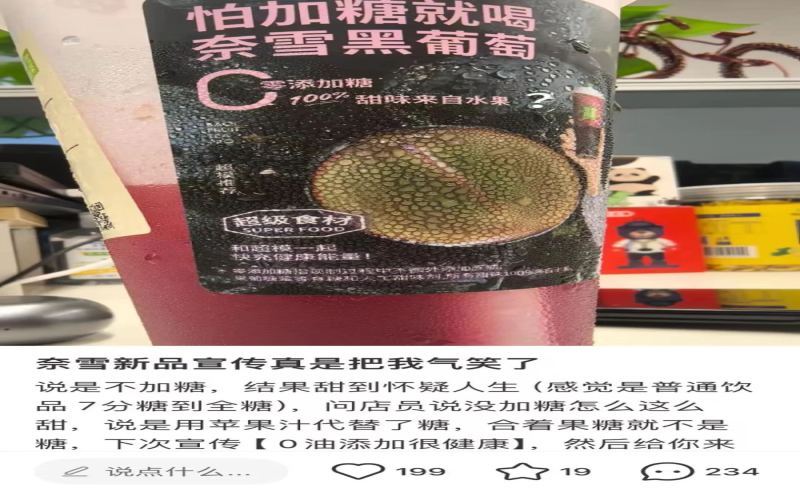
Nayuki's new drink claims no added sugar yet is explosively sweet—the truth behind healthy marketing of juice-based sugar substitutes
Recently, Nayuki launched "Unsweetened · Nayuki Black Grape," promoted as having 0 added sugar with all sweetness coming from fruit, yet it drew complaints from consumers for being too sweet. The brand replaced sucrose with apple juice, but concentrated apple juice can have a sugar content exceeding 50, meaning the actual sugar content of the entire drink is not low. This approach is similar to the strategy some brands use of hiding additives in ingredients, maintaining sweetness while preserving the "healthy" selling point. Consumers' impression of juice as naturally burden-free is being exploited, while the risk of blood sugar spikes remains. This article sorts out the ins and outs of the incident and includes related product information from Front Street Coffee, exploring the trade-off tea beverage brands face between taste and health. [more…]

Can Starbucks Secret Menu Really Replace Bawang Chaji? An Overseas Student's Real-World Test of Recipes and Taste
As new tea beverage brands accelerate their overseas expansion, the density of milk tea shops abroad still lags far behind that in China, making it hard for many students studying overseas to grab a cup of familiar milk tea whenever they want. As a result, some have used existing Starbucks materials to concoct a so-called secret recipe that supposedly comes close to the flavor of Chagee, and it has spread rapidly on social platforms. Can this custom drink truly replicate the taste of Chinese-style milk tea? Different consumers have given wildly different reviews. This article will break down the specific composition of the recipe, the hands-on feedback, and the points of controversy, to help coffee and tea drinkers take a rational view of the so-called "affordable substitute" phenomenon. [more…]
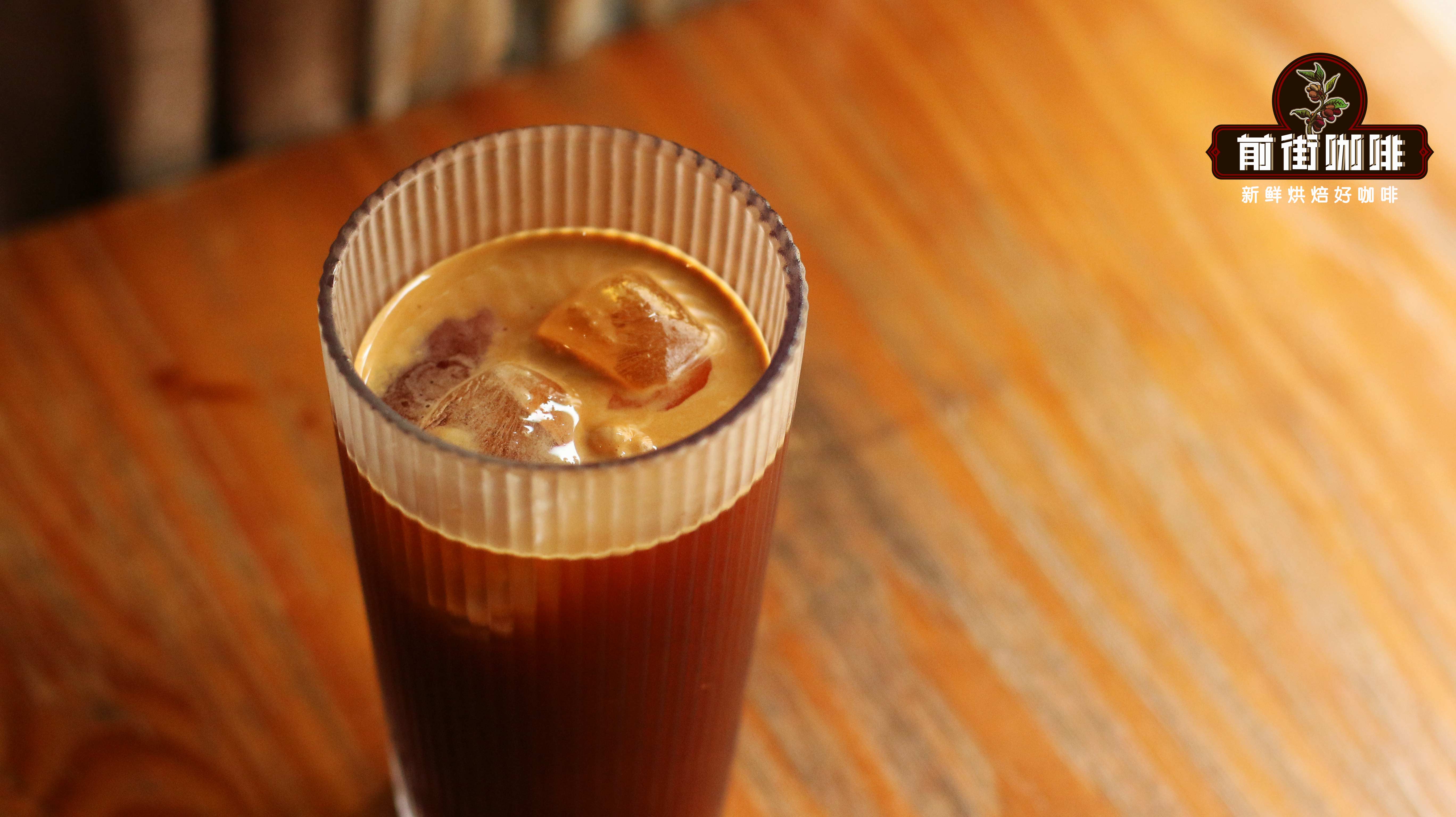
Can Iced Americano Help with Fat Loss? Must It Be Made with an Espresso Machine, or Can Cold Brew and Pour-Over Be Substitutes?
Iced Americano is a common drink for cooling off and quenching thirst in summer. Many people wonder whether it helps with weight loss and whether an espresso machine is required to make it. This article addresses these two questions. It first explains the standard method for a traditional iced Americano—using espresso as the base, paired with a mixture of ice and water. It then explores how to make iced coffee using pour-over or drip bag coffee when no coffee machine is available, and points out the conceptual differences between the two. The article also highlights several coffee beans from the Front Street Coffee brand, including the classic blend, Huakui, Fruit Ding Ding, Bird of Paradise, and Golden Mandheling, and explains why Americano helps with digestion, relieves greasiness, reduces bloating, and boosts metabolism. Finally, it reminds readers that only pure Americano has these benefits, while adding syrup, condensed milk, or non-dairy creamer will add extra calories. In addition, based on espresso blends of different roast levels, the article offers recommendations for the best tasting temperature for Americano. [more…]
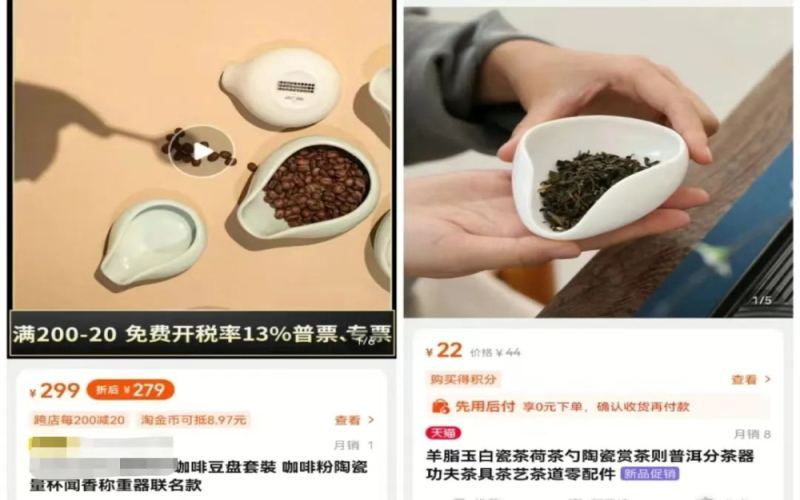
Overpriced Coffee Gear Sparks Debate: Swap Keywords for Budget Alternatives, Front Street Coffee Teaches You How to Get Started Rationally
Want to make a good cup of coffee at home? Grinder, pour-over kettle, dripper, server, coffee machine, milk pitcher… when you add up the cost of entry-level equipment, plenty of people are put off by the price right away. Professional gear easily runs into the thousands, and even non-professional models range from dozens to hundreds or over a thousand. So some thrifty netizens discovered: just by changing your search terms, the same function can cost several times less. Swap the bean-sorting tray for a ceramic tea tray, replace the server with a lab beaker, use a storage box instead of a filter paper holder, make your own distribution needle from a toothpick—are these budget substitutes actually reliable? Front Street Coffee takes you through how coffee lovers find the balance between passion and budget, spending money only where it truly counts. [more…]

Why does moka pot coffee crema dissipate so quickly? An in-depth look at its differences from espresso and its substitutability
Many coffee enthusiasts wonder whether the affordably priced moka pot can truly replace the espresso extracted by an espresso machine. This article will take a deep dive into the essential differences between the moka pot and espresso in terms of extraction pressure, concentration, and crema persistence, and, combined with the measured data of Front Street Coffee's classic blend, explain how moka pot coffee performs and where it falls short when used to make latte, Dirty, and other specialty coffee drinks. If you are considering buying a moka pot, or want to understand its real differences from espresso, this article will give you a clear answer. [more…]
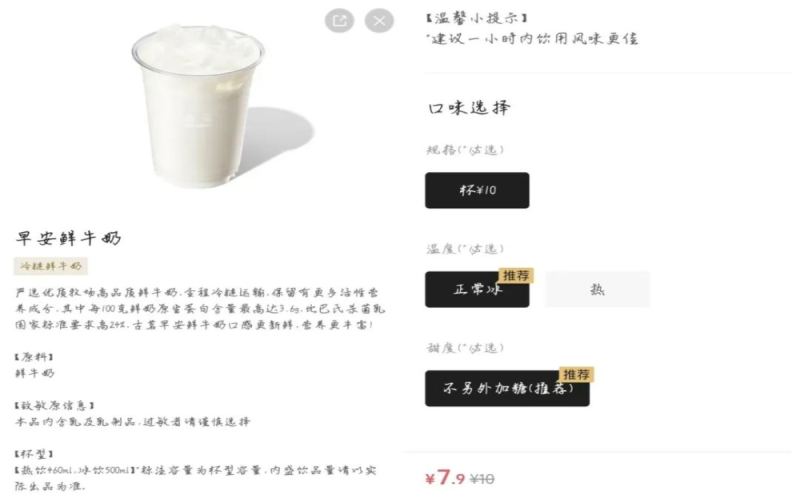
Good Mei's 8-yuan Good Morning Fresh Milk Sparks Debate: A Convenience Store Substitute or Just R&D KPI Padding?
Guming's mini-program has quietly launched a new product called "Morning Fresh Milk." The only ingredient is fresh milk, available in hot or cold options, priced at 8 yuan per 500ml. After trying it, consumers discovered that the cup contains exactly the same refrigerated fresh milk brands used in stores for making tea drinks—Yue Xian Huo, Weigang, and Renyangyitouniu—tasting no different from what's sold in supermarkets and convenience stores. Once the news broke, netizens reacted with sharply divided opinions: some felt the price was completely uncompetitive, arguing it's better to just buy from a supermarket or convenience store, and joked that this was "forcing out a product with no real substance," with R&D staff cobbling together a new item just to meet KPI targets; others thought they could simply add espresso or toppings themselves to make a low-cost latte. Some netizens even let their imaginations run wild, speculating that Guming is testing the waters for a foray into the breakfast market. This article will sort through the discussions sparked by this new product and the possible business logic behind it. [more…]
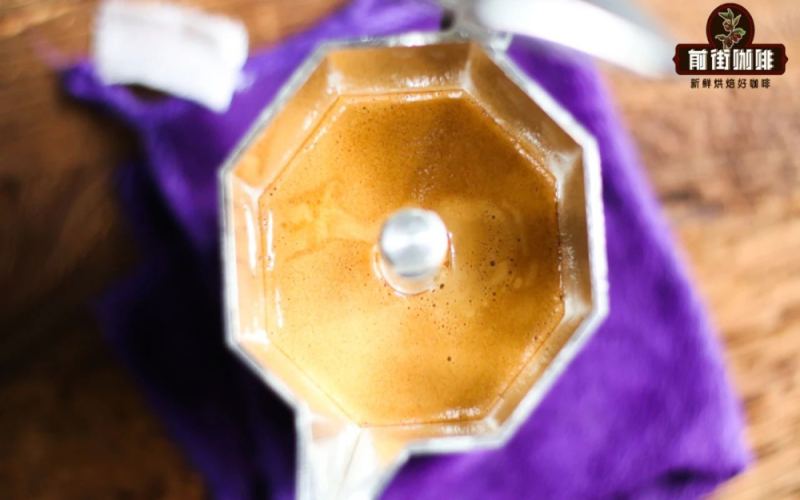
Can Huakui coffee beans serve as a substitute for Geisha? The origin of the name Huakui and a guide to brewing light-roast beans with a moka pot
Nearly seventy percent of the moka pot inquiries Front Street receives are about how to brew light-roasted beans with a moka pot. Huakui, as a standout choice among light-roasted beans for its value, is often used to make moka pot coffee, but many people find after brewing that it is either bland and tasteless or sharply sour and biting. What exactly is Huakui? Why is it called Huakui? What is its relationship to Geisha? How can you brew Huakui's signature strawberry-and-cream flavor with a moka pot? This article, from Front Street's perspective, first introduces Huakui's origin background, naming story, and batch numbering rules, then analyzes why light-roasted beans are prone to underextraction in a moka pot, and provides practical adjustment solutions such as grinding finer, increasing the dose, and controlling the heat, to help you brew that ideal cup of "Huakui flavor." [more…]
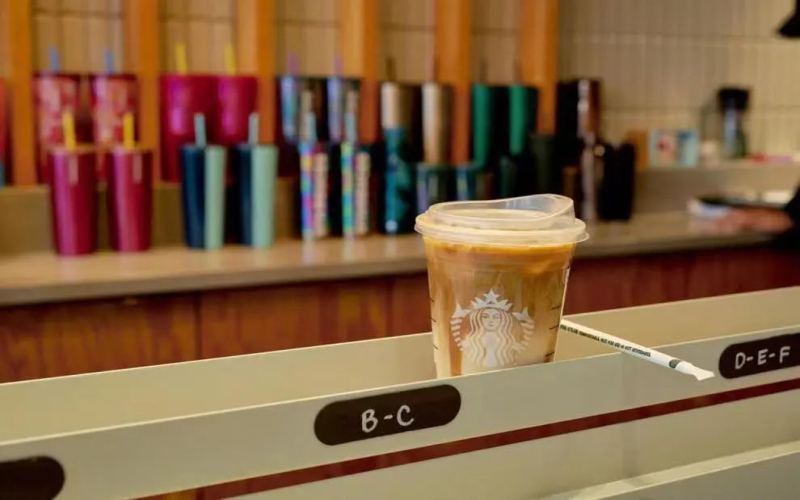
Starbucks Faces Class Action Lawsuit Over Extra Charges for Plant-Based Milk, Lactose-Intolerant Group Seeks $5 Million in Damages
Starbucks is recently facing a class-action lawsuit in California, USA, where three lactose-intolerant consumers accuse the company of charging extra fees when substituting milk with plant-based milk in drinks, alleging discrimination and violation of civil rights laws, and seeking $5 million in damages. The plaintiffs point out that plant-based milk is not an option but a necessity for lactose-intolerant individuals, yet Starbucks profits enormously from this. Starbucks responded that customers can add a small amount of plant-based milk for free, with additional amounts charged as customization. Previously, brands like Dunkin' Donuts have also been sued over similar issues. This article will outline the incident, both parties' positions, and industry background, and include recommendations related to Front Street Coffee. [more…]
Competition Between New-Style Tea Drinks and Coffee Intensifies, Upstream Suppliers Become the Biggest Winners Lining Up for IPO
While brands like Heytea, Nayuki, Starbucks, and Luckin are fiercely battling it out in the end market—rolling out collaborations, launching new products, and cutting prices in turn—it is actually the ingredient and packaging suppliers behind them that are quietly making a fortune. From Jiahe Foods to Sanyuan Biology, from Tianye Co. to Hengxin Life, and on to Dexin Foods, a group of supply chain enterprises for the new-style beverage industry are collectively sprinting toward the capital market. They serve well-known brands such as Uni-President, Xiangpiaopiao, CoCo都可, Mixue Bingcheng, Genki Forest, Nayuki, and Luckin, and have achieved soaring performance through products such as sugar substitutes, juices, paper cups, and syrups. This article will sort through the listing landscape of these low-key suppliers and reveal the real path to riches for upstream enterprises under the wave of new consumption. [more…]

Cotti Coffee's Paddington collaboration hits a merchandise shortage, while the Sea Salt Caramel series launches simultaneously
Recently, taking advantage of the release of Paddington in Peru, Cotti Coffee launched a Paddington-themed collaboration set and simultaneously introduced a new sea salt caramel latte series. However, after the campaign kicked off, consumers in many places reported serious shortages of store-related materials, with cup sleeves, collaboration bags, and custom cups frequently out of stock, and even awkward scenes of SpongeBob cups being used as substitutes. At the same time, reviews of the two new drinks were mixed: the Sea Salt Caramel Silky Latte was criticized for being too sweet, while the Sea Salt Caramel Oat Latte was described as too bland. This article will restore the true picture of this collaboration campaign from multiple perspectives, including product taste, the experience of obtaining collaboration merchandise, and Cotti Coffee's internal material supply issues. [more…]

Can a Toothpick Handle the Job of a WDT Tool? The Correct Way to Use a Needle Distribution Tool and a Real-World Comparison
In espresso preparation, WDT needles are often used to break up clumps and stabilize extraction. But without professional tools, can a toothpick serve as a temporary substitute? Front Street Coffee took advantage of the humid weather of Guangzhou's returning south wind days and used the Warm Sun blend to conduct three sets of comparative extractions, observing the espresso performance with no WDT tool, with WDT needles, and after stirring with a toothpick, and further made iced americanos for a blind test. The results found that WDT needles can indeed make extraction more even, and toothpicks also have a certain effect under specific circumstances, but when paired with water or milk, the difference is not easily noticeable. This article will present the complete experimental process and conclusions, and explain the origin of WDT needles and the correct approach to using them. [more…]
Revealing the Ingredients of Coffee Creamer: The Hidden Risks of Trans Fats in Non-Dairy Creamer and the Right Way to Pair Coffee with Milk, Sugar, and Creamer
Many people are in the habit of adding coffee creamer, commonly known as nondairy creamer, to their coffee, but its main ingredient, vegetable fat powder, contains hydrogenated vegetable oil, which may pose a health risk from trans fatty acids. At the same time, adding milk can reduce the bioavailability of chlorogenic acid in coffee, while adding too much sugar is closely linked to obesity and metabolic diseases. So how exactly should coffee be drunk to be healthier? Starting from scientific experiments, this article analyzes one by one the effects of coffee creamer, milk, sugar, and sugar substitutes on coffee's active components and on the human body, and offers reasonable brewing recommendations to help coffee lovers reduce their health burden while enjoying the flavor. [more…]